.png)
Self-Leadership: Mastering Your Mindset Before Leading Others
Imagine you’re at the helm of a ship, navigating through a storm. The waves are high, the wind is strong, and your crew looks to you for direction. But here’s the thing: before you can lead them, you must first learn to control the storm within yourself. Self-leadership means being able to lead and manage your own thoughts, emotions, actions, and decisions before leading others.
In today’s fast-moving world, great leadership isn’t just about managing people. True leadership begins with self-awareness, self-control, and self-direction. If you can’t lead yourself, it’s hard to effectively lead a team, company, or organization. Self-leadership is the foundation that all great leaders build on.
Why Self-Leadership Matters
In the professional world, leadership is often seen as the ability to manage and motivate others. While that’s an important part of being a good leader, true leadership starts with self-leadership, the ability to lead yourself first.
Without self-leadership, it’s easy to react emotionally to challenges instead of responding with clarity and purpose. External pressures can quickly cause stress, poor decisions, or communication breakdowns.
But when you practice self-leadership, you become more centered, confident, and in control. You can stay calm under pressure, make thoughtful decisions, and inspire those around you to do the same.
Core Components of Self-Leadership
Self-care isn’t just about staying positive; it’s about developing a mindset that values growth, self-control, and accountability. It means taking charge of your thoughts, actions, and choices. Here are some key components of self-leadership that are essential for personal and professional success:
1. Self-Awareness
Self-awareness is the first step toward strong self-leadership. Before you can lead others, you need to understand yourself, your strengths, weaknesses, values, and emotional triggers. Being self-aware helps you notice how your emotions influence your actions and decisions, allowing you to respond thoughtfully instead of reacting impulsively.
How to Improve Self-Awareness:
- Take a few minutes each day to reflect on your actions and emotions.
- Ask trusted people for honest feedback to gain new perspectives.
- Practice mindfulness through journaling or quiet reflection to stay in tune with your thoughts.
2. Self-Control
Self-control means managing your emotions, thoughts, and actions, especially when things get tough. It’s about staying calm, focused, and making thoughtful choices instead of reacting impulsively. Leaders with strong self-control handle stress better, think clearly, and make wiser decisions.
How to Strengthen Self-Control:
- Build healthy habits through regular exercise, good nutrition, and enough rest.
- Pause and take a deep breath before reacting to stressful situations.
- Stay patient and focus on long-term goals instead of seeking quick rewards.
3. Self-Motivation
Self-motivation is the inner drive to take action, even when things are hard. As a leader, staying motivated helps you succeed and inspires your team to do their best.
How to Boost Self-Motivation:
- Set clear, accountable goals and break big tasks into small steps.
- Celebrate small wins to recognize your progress and stay motivated.
- Visualize success to stay focused and positive, even during tough challenges.
4. Self-Discipline
Self-discipline is key to achieving long-term success. Without discipline, it’s easy to become distracted or procrastinate. Self-discipline helps you stay focused, avoid distractions, and keep working toward your goals, even when it’s tough or inconvenient.
How to Cultivate Self-Discipline:
- Create a structured routine to focus on your most important tasks.
- Avoid distractions like social media or clutter.
- Commit to consistency by putting in effort every day, even when it's challenging.
5. Self-Accountability
Accountability is key to holding yourself responsible for your actions, decisions, and outcomes. When you practice self-accountability, you take ownership of your successes and failures, which helps you grow and improve.
How to Practice Self-Accountability:
- Set deadlines and stick to them to stay on track with your goals.
- Track your progress to see achievements and identify areas for improvement.
- Own your mistakes, learn from them, and focus on doing better next time.
How to Develop Self-Leadership
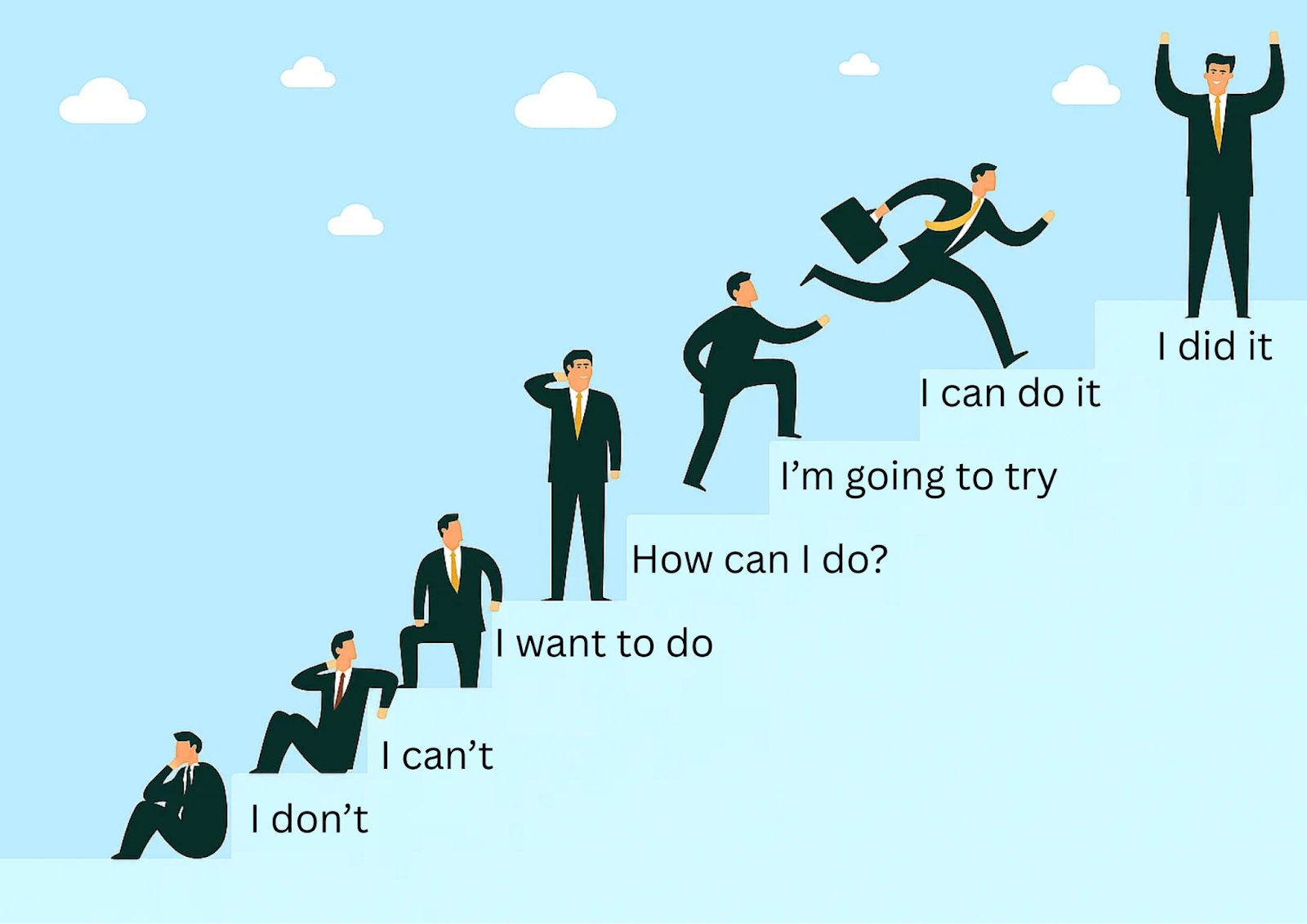 Here are practical ways to develop self-leadership in your life. These steps can help you strengthen your mindset and become a more effective leader of yourself.
1. Invest in Personal Development
The most successful leaders never stop learning. Read books, take online courses, or attend seminars to improve your leadership skills and self-awareness. Tools like Synopsis Plus, which offer quick summaries of top self-development books, make it easy to keep learning even with a busy schedule.
2. Take Small, Consistent Actions
Self-leadership develops gradually through small, consistent steps. Focus on making incremental improvements every day rather than expecting immediate results. Over time, these small actions create significant growth.
3. Practice Self-Reflection
Spend time each day reflecting on your actions, thoughts, and behaviors. Journaling is a great way to track your progress, identify patterns, and make adjustments as needed.
4. Accept Challenges
True self-leadership grows through facing challenges. See obstacles as opportunities to learn and grow. Pushing yourself beyond your comfort zone strengthens your leadership skills.
Why Self-Leadership Matters for Leading Others
Effective leadership starts with self-leadership. When you have control over your mindset and actions, you set an example for your team and create a supportive, inspiring environment. Strong self-leadership helps you:
- Communicate Clearly and Consistently
- Handle Conflicts with Empathy and Calm
- Adapt to Change with Resilience
- Inspire Motivation and Confidence in Your Team
Conclusion
Self-leadership is the key to being a good leader. Before you can lead others, you need to learn how to lead yourself. By building self-awareness, self-control, self-motivation, self-discipline, and self-accountability, you can develop the skills to guide and inspire your team. Leadership isn’t just about being in charge; it’s about taking responsibility for your own growth and setting a good example. Mastering self-leadership will make you a better leader and help you live a more focused and fulfilling life. Start today by leading yourself toward success!