.png)
Self-Love vs. Selfishness: Understanding the Difference
Have you ever stopped yourself from putting your own needs first because you were afraid people might call you selfish? You’re not alone. In a world that constantly pushes us to put others first, whether it’s family, friends, or work, it’s easy to feel guilty about focusing on ourselves. But here’s the truth: self-love isn’t the same as selfishness. In fact, truly loving yourself allows you to give more genuinely to others.
Everyone deserves to feel valued and cared for, yet society often makes us feel bad for prioritizing our own needs. This confusion can stop us from practicing real self-care or setting healthy boundaries. It’s time to clear up the difference between self-love and selfishness so you can take care of yourself with confidence without guilt and find more peace within yourself.
What Is Self-Love?
Self-love is often misunderstood as being narcissistic or self-centered, but in reality, it’s actually the opposite. It means caring for your mind, body, and emotions. It’s about knowing your worth, treating yourself with kindness, and setting boundaries to protect your peace.
When you practice self-love, you make choices that support your happiness, health, and personal growth. It’s about accepting yourself as you are, imperfections and all, while still working to become your best self. You do it not to please others, but because you know you deserve to feel good and live well.
Signs of Self-Love:
- Taking time to reset and recharge.
- Saying no to things and people that drain your energy.
- Using positive self-talk to build your confidence.
- Setting healthy boundaries to protect your mental health and emotional well-being.
What Is Selfishness?
Selfishness means putting your own wants and needs above everything and everyone else, without caring about how it affects others. Unlike self-love, which balances caring for yourself with respect for those around you, selfishness focuses only on your own benefit, often at the expense of others.
A selfish person might overlook or dismiss other people’s emotions and boundaries just to get what they want. This kind of behavior can damage relationships, create tension, and lead to emotional distance.
Signs of Selfishness:
- Ignoring others’ feelings or needs
- Manipulating for personal gain
- Avoiding responsibility
- Demanding attention or resources unfairly
- Showing little empathy or consideration
Why Is Self-Love Important?
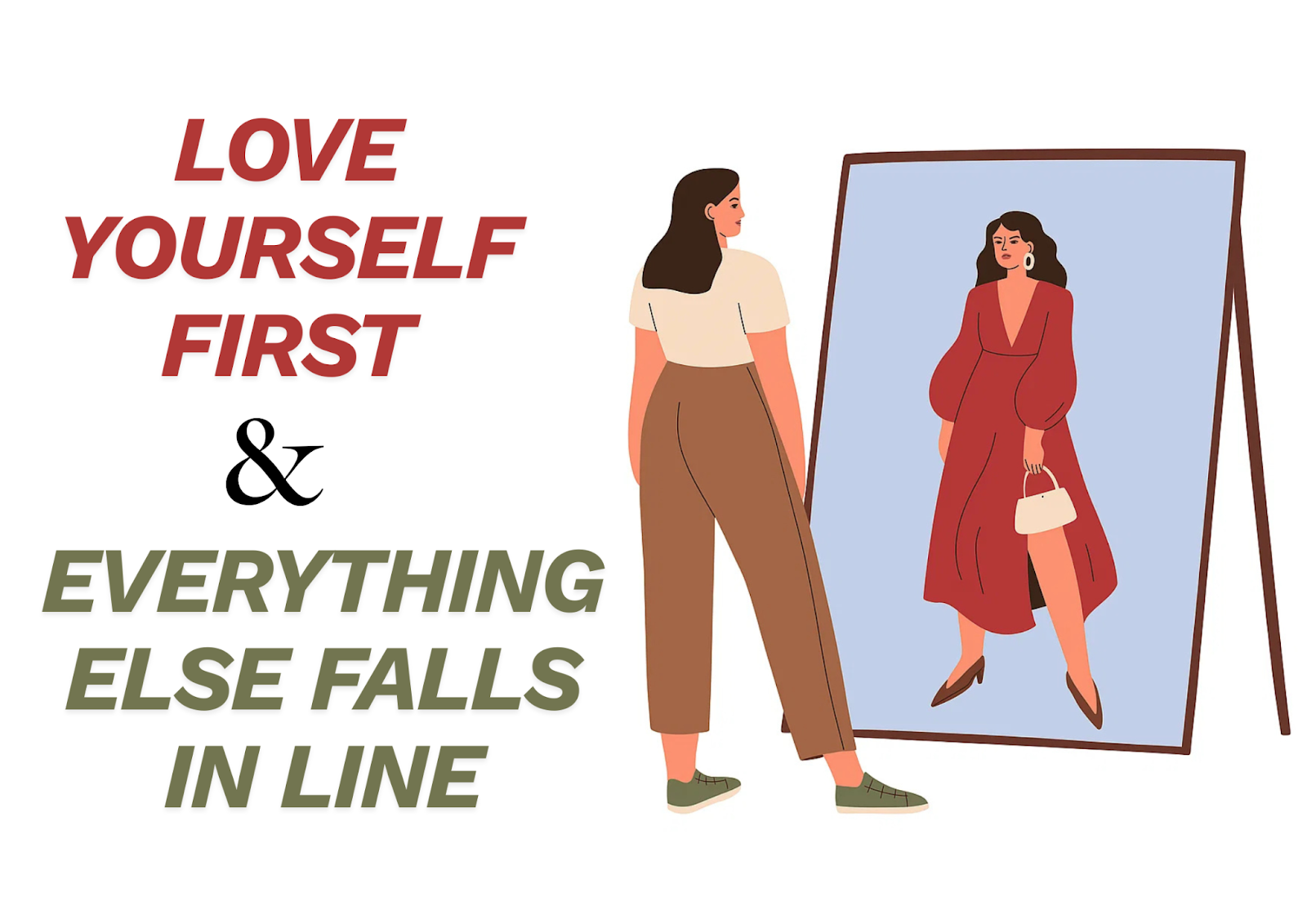 Self-love is the foundation of your mental, emotional, and physical well-being. It’s about building a healthy, supportive relationship with yourself, one rooted in kindness, patience, and respect. When you practice self-love, you:
- Boost your self-esteem: You recognize your worth without relying on others’ approval.
- Set healthy boundaries: You learn to say no without guilt, protecting your time and energy.
- Build resilience: Self-love helps you recover from challenges with understanding and strength.
- Support your mental health: You ease stress, anxiety, and negative self-talk.
- Encourage personal growth: You stay open to learning, improving, and becoming your best self.
How to Distinguish Self-Love from Selfishness?
Self-love and selfishness might seem completely different, but they have one thing in common: both focus on your own needs. The difference is in the intent, impact, and balance. Self-love comes from caring for yourself in a healthy way, while selfishness ignores how your actions affect others.
| Aspect | Self-Love | Selfishness |
| Motivation | Care for self to improve well-being and performance | Desire to fulfill personal wants without consideration for others |
| Consideration | Balances personal needs with care and respect for others | Ignores the needs and feelings of others |
| Boundary Setting | Strong and healthy boundaries that protect mental well-being | Crosses others’ boundaries for personal gain |
| Relationship Impact | Builds stronger relationships through respect and honesty | Weakens or damages relationships |
| Emotional Outcome | Create a sense of peace, confidence, and fulfillment | Leads to guilt, conflict, or loneliness |
Understanding these differences helps you practice true self-love while avoiding the trap of selfishness.
Practical Ways to Practice Self-Love
 Choosing self-love is an intentional choice and a daily practice. Here are some simple, practical ways to make it part of your everyday life.
1. Prioritize Self-Awareness
Take time to notice your thoughts, feelings, and actions. Understand what you truly need and make choices that match your values and goals.
2. Be Kind to Yourself
Replace negative self-talk with encouraging words. Treat yourself the way you’d treat a close friend with kindness, patience, and care.
3. Set Healthy Boundaries
Learn to say no when needed and protect your emotional well-being. Setting limits helps prevent burnout and keeps your relationships balanced and healthy.
4. Prioritize Self-Care
Make time for things that recharge you, whether it’s exercising, meditating, reading, or enjoying a hobby. Do what helps you feel calm, happy, and fulfilled.
5. Forgive Yourself
Let go of guilt over past mistakes and show yourself compassion. Remember, no one is perfect. Self-love means accepting your flaws and growing from them.
Final Thoughts: Accept Self-Love Without Fear
Self-love isn’t selfish; it’s about self-preservation and personal growth. When you understand how it differs from selfishness, you can put your needs first without feeling guilty. Embrace your worth, set healthy boundaries, and care for yourself. In doing so, you’ll create a life that’s more peaceful, fulfilling, and deeply connected. By understanding the difference between self-love and selfishness, you can make choices that support your growth, protect your peace, and bring positivity to those around you.
Remember: Loving yourself is the first step to loving others deeply and truly.