.png)
Psychology Behind Why We Procrastinate And How to Beat It
You have a big project due tomorrow, but instead of starting, you’re scrolling through social media or cleaning your desk. Why do we delay what we know we need to do?
“Procrastination makes easy things hard and hard things harder.”
Understanding Procrastination And Its Effects
Procrastination means delaying or putting off tasks until the last minute or even past the deadline. It’s more than just poor time management; it’s about how we control ourselves. Procrastination happens when we struggle with self-control and act against our better judgment. We delay things, even when we know it might cause problems later.
Procrastination can lead to increased stress levels, decreased productivity, and poor performance. It can also affect our mental health by causing feelings of guilt, shame, and low self-esteem.
Why Do We Procrastinate?
Procrastination isn’t just about bad time management or being lazy. It’s a complex habit shaped by our fears, emotions, and the way our brain makes decisions. Here are some of the key reasons:
- Avoid Negative Emotions: When a task feels boring, unpleasant, and stressful, we might delay it to avoid feeling stressed or anxious.
- Low Self-Confidence: If we doubt our abilities, we might avoid starting just to protect ourselves from possible disappointment.
- Perfectionism: When we want everything to be perfect, starting feels scary. “If I can’t do it perfectly, why begin?” This mindset often leads to delays.
- Feeling Overwhelmed: If a task seems too big or unclear, our brain shuts down and says, “I’ll do it later.”
- Fear of Failure: Many people put off tasks because they’re afraid they won’t do them well enough. This fear creates anxiety and makes it harder to start, so they end up avoiding the task altogether.
- Poor Emotional Regulation or Self-Control: Procrastination isn’t just about time management; it’s about how we handle emotions, impulses, and priorities.
- Choosing Short-Term Comfort Over Long-Term Goals: We often pick what feels good now, scrolling, resting, instead of what helps in the long run, like finishing that assignment.
What Happens When We Procrastinate?
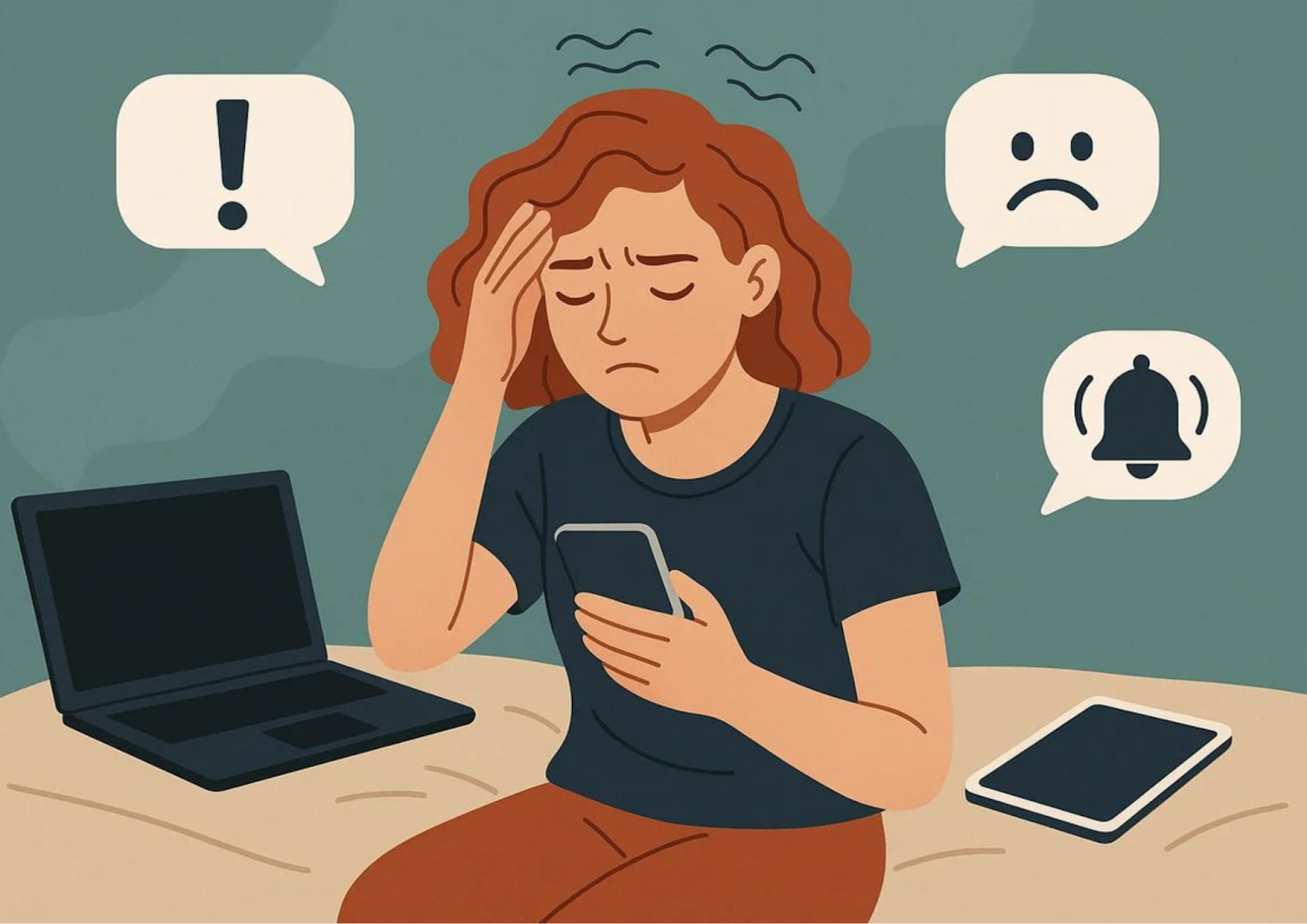 Putting off tasks isn’t as harmless as it seems. Procrastination can affect many parts of life:
- We might start to feel guilty, stressed, or anxious.
- Our productivity and work quality can drop because we rush or miss opportunities.
- The more we avoid tasks, the stronger the habit becomes.
- Over time, it can hurt how we see ourselves: “I always procrastinate,” or “I never finish anything.”
How To Overcome Procrastination
Overcoming procrastination takes self-awareness, discipline, and patience. Here are a few strategies that can help:
- Break tasks into smaller steps: Doing a little at a time makes things easier to handle.
- Set clear goals and deadlines: Knowing what to do and when helps you to stay focused.
- Remove distractions: Put your phone away and find a quiet place to work.
- Talk to yourself kindly: Instead of saying “I can’t”, say “I’ll try my best.”
- Reward your progress: Give yourself credit for finishing even small tasks.
- Stay in the moment: Focus on what you can do right now instead of worrying about everything at once.
5 Effective Strategies to Beat Procrastination
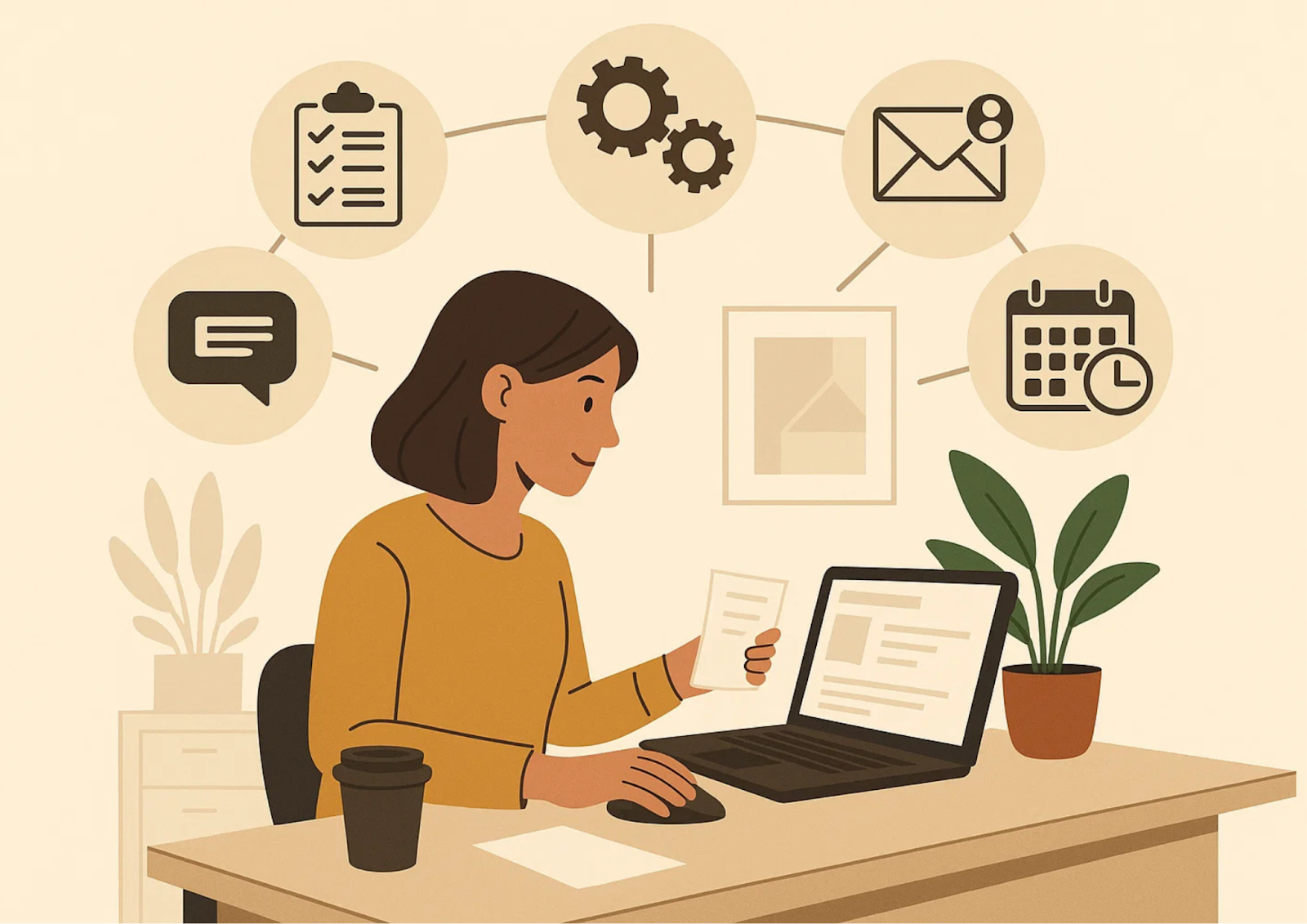 Here are friendly, real-life strategies to beat procrastination:
1. Break Tasks into Small Steps: Big tasks can feel hard to start, but breaking them into smaller parts makes them easier to handle. Focus on one small step at a time; it helps you make steady progress and stay motivated.
2. Use Time Blocking & the Pomodoro Technique: Set a specific time to focus on just one task. Work for 25 minutes, then take a 5-minute break. These short bursts of focus help you stay productive and make work feel lighter and less stressful.
3. Identify Your Peak Productivity Times: We all have certain times of the day when we feel more awake, focused, and motivated. For some people, that’s early in the morning, for others, it might be in the afternoon or late at night. Pay attention to when you usually have the most energy, and plan your important tasks during those hours. Working with natural rhythm helps you get more done with less stress.
4. Replace Negative Self-Talk with Encouragement: The way we talk to ourselves matters. When you keep saying things like “I can do this,” it's easy to lose confidence before you even start. Try to change those thoughts into positive ones. Remind yourself, I can do this, one step at a time. Being kind to yourself builds motivation and makes challenges feel easier to face.
5. Eliminate Distractions: It’s harder to focus when your phone keeps buzzing or people keep interpreting you. Try turning off notifications that aren’t important, and let others know when you need quiet time. You can also create small signals, like putting on headphones or setting a timer, to show yourself it’s time to focus. A calm, distraction-free space helps you get things done faster and with less stress.
Conclusion: Overcoming Procrastination Is Within Your Reach
Procrastination can feel like a never-ending habit, but the good news is that you can change it. When you understand why you put things off, whether it’s fear, perfectionism, or choosing comfort over effort, it becomes easier to take control. Start small and focus on progress, not perfection. Use tools like time blocking or the Pomodoro technique to stay organized and motivated. Remember, overcoming procrastination isn’t about doing everything perfectly; it’s about taking small, steady steps that move you forward.
You don’t need to wait for the perfect moment to begin. Every small action counts. So next time you feel like delaying, take a deep breath and just start one small step at a time. You’ve got this!