Work Better Together
Jen Fisher and Anh Phillips
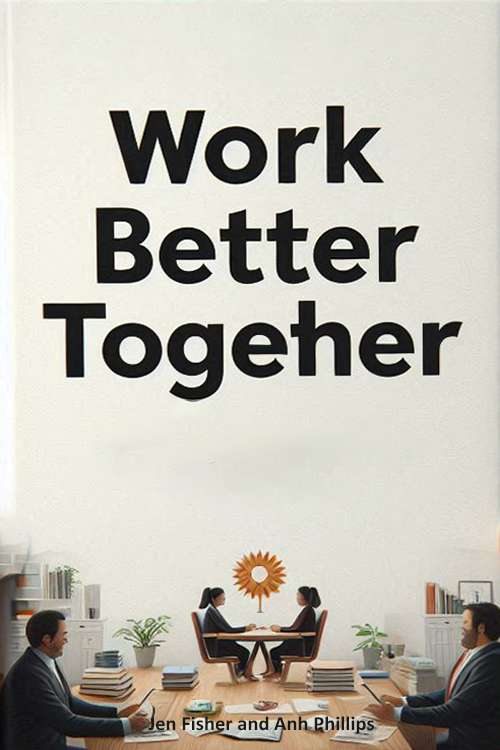


Work Better Together
/
Jen Fisher and Anh Phillips
About this Author
Jen Fisher, who serves as the chief well-being officer at Deloitte US and hosts the podcast WorkWell, partners with Anh Phillips, a senior leader at Deloitte Consulting and co-author of The Technology Fallacy.
2021
Business & Money
Business Culture
08:00 Min
Conclusion
7 Key Points
Conclusion
Workplaces prioritize genuine relationships by valuing well-being, empathy, and trust for strong teams. Overwork and isolation can harm mental health, so setting boundaries with technology supports balanced, fulfilling work experiences.
Abstract
Building genuine relationships at work is crucial for success and job satisfaction. Jen Fisher, Deloitte's chief well-being officer, along with researcher Anh Phillips, highlights workplace connections. They emphasize self-care, balanced use of technology, and integrating well-being into work practices to counter the negative impacts of technology-driven work environments. They stress that strong teams rely on psychological safety, empathy, and trust for creativity and resilience. Valuing human connections, respecting diverse work styles, and setting healthy technology boundaries can promote productivity, innovation, and well-being in the workplace.
Key Points
Summary
Genuine workplace relationships boost mental well-being.
Loneliness is a widespread issue in the United States, with over 40% of Americans feeling isolated, even when working with others. Only 20% of people develop meaningful friendships at work, leaving many feeling disconnected and unhappy. This lack of connection can lead to cognitive decline and physical health problems. The rise of remote and gig work has made this problem worse by reducing face-to-face interactions, contributing to increased burnout. Building relationships at work is crucial for feeling valued and supported.
Push for more productivity and tech harms workplace humanity.
Relying too much on technology goes against its main purpose: to simplify and enhance our work. Being constantly connected and bombarded with information can ironically lead to feelings of isolation. The trend of always being busy with work, known as "works," isn™t sustainable in the long run. When people work excessively, it can actually decrease productivity and cause serious health issues like burnout, depression, heart disease, and sleep problems.
The constant push to learn and adapt to new technologies can lead to stress, exhaustion, increased drinking, and strained family relationships. Businesses aiming to boost efficiency often create work environments that feel less caring and more focused solely on productivity.
Strengthen relationships to counter technology overreliance's impact.
Excessive time spent online consumes both time and attention, detracting from face-to-face interactions crucial for developing a humanized work environment where people feel psychologically safe to share ideas and take creative risks. The culture of equating busyness with personal value exacerbates this issue, compounded by the overwhelming influx of digital communications that blur the distinction between important and trivial tasks, ultimately impeding productivity and meaningful connection in the workplace.
Most employees about two-thirds experience burnout, a condition that harms businesses in various ways. It leads to disengagement, lower performance, and higher turnover rates. The solution to this problem lies in social connections at work. People who are happy with their jobs usually have strong relationships with their colleagues. They experience less stress, attend work more consistently, and are more involved, productive, and able to bounce back from challenges.
Improve collaboration by understanding your and your team's work styles.
Different team members have unique work styles that contribute to overall success. Let's look at Ethan's team as an example. They work for a high-tech solutions company serving manufacturers. Ethan is great at bringing people together and solving problems through collaboration. Nichole is detail-oriented, ensuring deadlines and budgets are met. Chloe focuses on the big picture in interactive training, while Josh shines with technical skills. Each style adds value to the team's performance.
Deloitte's "Business Chemistry" is a tool that categorizes individuals into four distinct work styles. For example, Chloe is a "Pioneer," known for her creative thinking and focus on big-picture ideas. Nichole embodies the traits of a "Guardian," excelling in attention to detail and adherence to processes. Josh falls into the category of a "Driver," characterized by his quantitative and analytical approach, while Ethan is classified as an "Integrator," valued for his diplomatic skills. It's important to note that everyone operates along a behavioral continuum, adapting to different situations and temperaments.
Prioritize well-being and healthy relationships for strong team dynamics.
In successful businesses, people feel comfortable, connected, valued, and important at work. These positive feelings promote a sense of belonging, which is crucial for strong teamwork. However, many team leaders prioritize productivity and performance over these interpersonal connections, which can actually hinder team performance.
Businesses that prioritize well-being and healthy relationships among team members build the strongest dynamics. Conversely, workplaces that focus solely on transactions and competition often create an environment of œwinners versus œlosers. When team members work independently without collaboration, they miss opportunities to work together effectively. In the worst cases, organizations that neglect well-being and relationships experience dysfunction, confusion, apathy, and low performance among their teams.
Healthy teams depend on psychological safety, empathy, and trust.
Effective teams outperform competitors by being efficient, adaptable, and resilient. Team members share knowledge, feel a strong sense of belonging, maintain positive attitudes, and trust each other. These qualities lead to improved problem-solving, creativity, and innovation within the team.
Creating a strong team involves addressing both structural and cultural challenges. Structural issues, such as inefficient workplace design and poor communication systems, along with operational silos that hinder information sharing, must be tackled. Additionally, cultural barriers like overemphasis on work (workism), biased reward systems, and favoritism among team members need to be recognized and addressed. By actively identifying and overcoming these obstacles, teams can develop a healthier and more productive environment.
The Essential Pillars of Strong Teams
The foundation of a strong team rests on three core principles: psychological safety, empathy, and trust. Psychological safety enables team members to work through conflicts and share ideas openly without fear of criticism.
Empathy allows understanding and connection by enabling individuals to relate to each other's feelings, motives, and behaviors. Trust is built upon the belief that colleagues are honest, reliable, responsible, and committed, creating an environment where everyone feels physically and emotionally secure within their team.
The foundation of a strong team rests on three core principles: psychological safety, empathy, and trust. Psychological safety enables team members to resolve conflicts and freely exchange ideas without fear. Empathy develops understanding and connection by recognizing and relating to each other's emotions, intentions, and actions. Trust is built on the confidence that colleagues are honest, reliable, responsible, and committed individuals, creating an environment where everyone feels both physically and emotionally secure.
Effective leadership requires prioritizing the well-being of employees by allocating resources, clearly communicating their importance, and demonstrating personal commitment through healthy behaviors. When a company defines its vision for well-being, it helps employees understand their role in contributing to this goal.
Outdated ideas on overwork harm workplaces, promoting toxicity.
Sexism, discrimination, unsafe conditions, and unequal pay are significant barriers to workplace well-being. The works mindset, which prioritizes work excessively, can discourage self-care because of direct beliefs like:
Develop a tailored plan to handle work stress effectively.
Facing constant time pressures and a constant stream of tasks can make it hard to focus on what really matters. This rush can cloud our judgment and lead us to treat everything as urgent, even when it's not. To improve decision-making, it's crucial to prioritize tasks, spend less time in meetings, set aside uninterrupted work periods, and take regular breaks throughout the day. These strategies help avoid the trap of feeling like everything needs to be done immediately, allowing for more effective and thoughtful work.
To effectively manage career pressures and maintain a healthy life, it's important to establish a personalized well-being plan focused on feeling good physically and mentally. This includes eating nutritious meals, engaging in regular exercise, spending quality time with family, and practicing mindfulness. By setting achievable goals like planning healthy meals, scheduling workouts or meditation sessions, and limiting screen time, I can prioritize my well-being and better cope with the demands of my career.
People skills remain irreplaceable by technology.
In today's technology-driven era, simply digitizing processes is insufficient. Key attributes like creativity, empathy, adaptability, and emotional intelligence are essential for problem-solving and innovation, even within analytical roles. As technology continues to evolve rapidly, companies must prioritize the development of healthy social dynamics and human skills. Strong teams are built on strong interpersonal connections that promote resilience, flexibility, and creativity, all of which are vital for success in a dynamic business environment.
Combine your emotional awareness and mental abilities to boost your effectiveness and productivity. Understand your professional persona”how you act at work making sure it reflects who you truly are for more genuine interactions. Seek feedback from others to learn how they see you and welcome their suggestions. By emphasizing your interpersonal skills, you can help create a positive atmosphere in your workplace.
Establish firm limits for technology usage.
Social media is a time thief. It's designed to capture your attention endlessly. You get hooked because it rewards you unexpectedly - a cute photo, a funny video, or a shocking story can all trigger a quick high. Your brain releases dopamine, making you crave more. It's like an addiction, always seeking the next fix. This constant cycle keeps you scrolling and clicking. Social media is built to keep you coming back for more.
To maintain a healthy relationship with technology, it's crucial to be mindful of your usage patterns. Take note of any compulsive urges to constantly check social media, emails, or your phone, and make deliberate choices about how you engage with these platforms. Consider implementing a digital detox by setting specific boundaries, such as avoiding social media for a day, keeping smartphones away during meals, deleting unused apps, or scheduling device-free periods. By being intentional and setting clear limits, you can use technology more productively and prevent it from negatively impacting your well-being.
Share:
Latest Books
Related Books
.png)
.png)



Take a moment to rate and review our app. Your insights help us to improve.