Creative Calling
Chase Jarvis
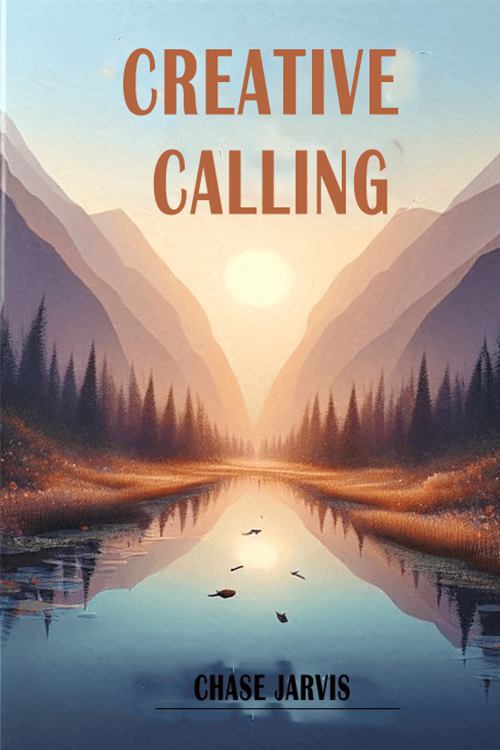


Creative Calling
/
Chase Jarvis
About this Author
Chase Jarvis isn't just any photographer - he's a big deal. With a track record of snapping shots for big names like Apple, Red Bull, and Nike, he's rubbed shoulders with the best in the biz. But his talents don't stop there. Chase is also the brains behind CreativeLive, your go-to spot for online creativity classes. Plus, he's the mastermind behind Best Camera, the app that let folks share their snaps on social media before it was cool.
2019
Business & Money
Business Culture
13:05 Min
Conclusion
7 Key Points
Conclusion
Creativity is for everyone. It grows when you connect with who you really are and follow what you love. Trust your feelings and learn from your mistakes. Be around people who support you. Take small steps and celebrate your unique voice. Let your creativity shine.
Abstract
Creativity is a vital skill applicable in all aspects of life, from problem-solving to artistic expression. The IDEA method"Imagine, Design, Execute, Amplify"guides individuals in harnessing their creative potential. Common challenges like perfectionism and external criticism can be overcome through self-trust and accepting failure. Building a supportive community and committing to continuous learning further enhances creativity. Chase Jarvis, renowned photographer and founder of CreativeLive, underscores that creativity is accessible to everyone, emphasizing the importance of authenticity and risk-taking in artistic endeavors. By cultivating positive habits and maximizing creative time, anyone can craft their unique path to success.
Key Points
Summary
Your Creative Power with the IDEA Method
Creativity isn't just for artists. It's all about coming up with new and useful ideas, whether you're painting a picture or solving a problem. But too often, people don't explore their creative side because they think it's impractical. That's not true! Being creative can actually make your life better in all sorts of ways, like helping you cook a delicious meal or find a solution to a tough math problem. So, how do you tap into your creative potential? Follow the IDEA steps:
I- Imagine: Start by imagining what you want to create. Don't worry about if it's good or not, just let your ideas flow freely.
D- Design: Once you have an idea, make a plan to bring it to life. Set aside time to work on it, and give yourself deadlines to stay on track.
E- Execute: Now it's time to put your plan into action. Don't let anything get in the way of your creativity " push through any obstacles that come up.
A- Amplify: Finally, share your creative work with others. Connect with people who share your interests and show off what you've made. This will help you grow as a creative person and inspire others along the way.
Your Creative Identity
Connect with your intuition to unleash your creativity. Don't worry about quitting your day job or being impractical. Find small ways to be creative every day. When someone asks about your job, don't be afraid to say you're a creator " whether that means a photographer or a musician.
Common Challenges and Solutions are as follows:
All types of people who face struggles with creativity.
Create Success:
Life isn't just about stumbling upon success; it's about crafting it yourself. Oprah Winfrey highlighted the importance of putting in the effort to reach your goals. Your brain craves purpose, wired to thrive on having a mission. When you dive into your tasks, your perspective shifts. You start seeing the possibilities your dedication can bring. Don't wait around for a bolt of inspiration; actively seek it through your efforts. This develops your innate intuition and power.
To get started on your goal, commit to doing the smallest possible task. This could be as simple as making a plan or doing some research. Expect obstacles along the way, like feeling overwhelmed or facing challenges. You can't just wish these obstacles away. One big challenge is the hard work involved. There are no shortcuts"you have to put in the effort. Many people give up when things get tough, but don't let that be you. When you hit a plateau and things start feeling tedious, keep going. Take it one step at a time. You might doubt yourself you can do it. Keep pushing forward and prove it to yourself.
Conquer Creative Challenges
Get past hurdles like money, control, and other people's influence. Don't let fear hold you back. Once you start creating, it gets easier to keep going. You'll feel pulled towards your creative goals. Think of yourself as the hero in your own story. Every hero faces a big obstacle, like a monster. This obstacle is what Joseph Campbell called a "threshold guardian." In myths, this guardian represents the toughest challenge the hero has to overcome. In your creative journey, it's whatever stands in the way of your dreams.
Following are the Obstacles that are facing as a Creator
Your Authentic Creativity
Living a creative life means being true to yourself. To discover your creative side, think about what you love doing. What makes you excited? What makes you happy? Also, consider things about yourself that you've been afraid to share. Even the tough stuff can be a source of inspiration. When you share your experiences, you connect with others through shared feelings. To stand out, focus on one area of interest. Concentrate on developing your own style.
Don't worry about pleasing everyone. When you're genuine, people will naturally be drawn to you. Remember, you're more than just your work. Don't be afraid to take creative risks. Mistakes are part of learning and growing. But be smart about it. Think like a businessperson and weigh the risks before diving in. Sometimes, smaller risks lead to bigger rewards than huge gambles.
Boost Your Creativity with Positive Habits
The world is full of possibilities, and your life isn't set in stone. You have the power to make it better by tapping into your creativity. It's like a superpower you already have! And guess what? You can get even better at it with practice. Start by doing things that make you happy. Seriously, if something doesn't spark joy, consider ditching it. That includes stuff like wasting time on social media or getting sucked into negative news. These things can zap your creativity faster than a lightning bolt. Also, watch out for things like using drugs or alcohol in ways that mess with your creativity. They might seem fun at first, but they're like creativity kryptonite.
Check out these tips to boost your creativity:
Maximize Your Creative Time
To make the most of your creative potential, set aside dedicated hours each day for your passion projects. Even if you don't stick to the schedule religiously, aim to follow it most of the time. Use a tool like Google Calendar to track how you spend your time over two weeks. This helps you see if your actions align with your values. Remember, being busy doesn't always mean being effective. Don't let urgent tasks overshadow your creative pursuits.
Group similar everyday tasks, like calls and emails, to free up larger chunks of time for your creative endeavors. Tap into your peak creative hours, often in the morning, to maximize productivity. Sneak in short bursts of creativity during your day, like jotting down ideas during your commute. Find a designated space where you can focus on your craft. If you're on the go, pack a kit with your creative essentials, like noise-canceling headphones for working in bustling environments.
Creative Flow
"Flow state" is a term coined by psychologist Mihaly Csikszentmihalyi to describe when creative people are completely focused and productive. You can't force it, but you can set the stage for it.
Trust Your Gut
Creativity isn't just about smarts; it's about using all your tools, like your brain, instincts, and even how your body feels. Your intuition, that "gut feeling," is super important. Sometimes, relying too much on just your brain can hold back your creative mojo. Make a plan you can repeat. Say you're working on a story. Set a time to finish a rough draft without judging it. Then, do more drafts until you hit your deadline. It's easy to get stuck on one thing forever, but trusting your process helps you move forward.
Creativity Through Learning and Accepting Failure
Learning and failure go hand in hand, especially in the creative journey. Everyone's curious, but only a few keep exploring throughout their lives. Creative achievers have a knack for continuous learning, moving through three phases. First, they dive into their interests privately, experimenting freely. Then, they tap into external resources like communities and classes. Finally, they practice relentlessly until they master their craft.
Failure is a powerful teacher, yet many creatives fear it. Doubt and impostor syndrome hold them back. They can't create because they're afraid to fail. But, learning to embrace failure is key. Taking small risks and juggling multiple projects help curb perfectionism. Instead of copying others, focus on being the best version of yourself. And remember, it's okay to laugh at your mistakes.
The Creative Journey
Creating art often starts with quiet moments, but it really takes off when you connect with others who get what you're trying to do. While making art can be a solo gig, teaming up with folks who share your vision can boost your creativity big time. It's like having your own squad cheering you on.
Building art means finding the balance between working alone and teaming up. Hang with people who lift you up and ditch the ones who bring you down. If you're new to the game, find your tribe in communities that match your craft, like photography. These groups are all about diving deep into specific interests, like action shots in photography.
Your main crew is where your craft and focus intersect. Forget waiting for that one wise guru to show up and guide you. Get wisdom from all over, from folks with different views. Be you, and let your art shine in your communities. That's how you build your own fanbase. Split your time between making and showing off your work, and focus on building your fanbase just as much as creating. Keep your audience happy by giving them something they dig. Creators stick to their vision, while influencers bend over backward to please followers. Stay positive and bold. That's the mindset that'll take you places.
Share:
Latest Books
Related Books



Take a moment to rate and review our app. Your insights help us to improve.
