Damaged
Robert Maunder MD and Jonathan Hunter MD
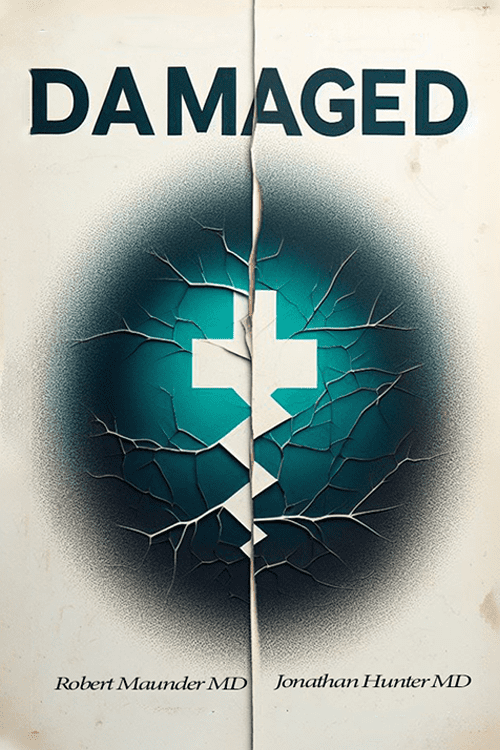


Damaged
/
Robert Maunder MD and Jonathan Hunter MD
About this Author
Dr. Robert Maunder holds a teaching position at the University of Toronto and serves as the head of research within the Department of Psychiatry at Mount Sinai Hospital. Dr. Jonathan Hunter is the head of the Consultation and Liaison Division within the University's Department of Psychiatry.
2021
Health, Fitness & Dieting
Psychology & Counseling
10:02 Min
Conclusion
7 Key Points
Conclusion
There is an urgent need for a healthcare revolution to address the pervasive impact of childhood trauma, stressing trauma-informed care, empathy, and systemic change to break intergenerational cycles of trauma and promote healing, alongside policy reforms and societal support to prevent future generations from similar adversities.
Abstract
The book advocates for comprehensive changes in healthcare, acknowledging the widespread impact of childhood trauma on adults. Dr. Robert Maunder and Dr. Jonathan Hunter stress the urgent need for systemic transformation to support survivors like "Isaac," who endured severe childhood adversity. They highlight the importance of trauma-informed care and policy reform to dismantle oppressive ideologies in healthcare culture. Emphasizing empathy and understanding, they call for collective efforts to break intergenerational cycles of trauma and promote healing relationships centered on patients' needs.
Key Points
Summary
A Call for Revolution
The lives of millions of adults are profoundly impacted by childhood trauma, prompting a call for revolutionary change. In the United States, over 60 million adults, and approximately nine million in Canada endure such severe childhood trauma that its repercussions persist into adulthood. Often, discussions around childhood abuse oversimplify the complexities, painting narratives with binary distinctions of victims and villains or good and bad parents. However, the reality of abuse is far more nuanced, requiring comprehensive attention. Childhood trauma stands as one of society's most urgent public health challenges, necessitating collaborative efforts to develop care solutions for the countless children facing adversity and abuse.
Dr. Vincent Felitti developed the Adverse Childhood Experiences (ACE) study to measure the difficulties faced by children. Adults with higher ACE scores tend to experience more negative outcomes, like giving birth as teenagers, higher rates of sexually transmitted infections, excessive drinking, smoking, and turning to food for comfort. Additionally, these individuals have a greater risk of serious health issues, including respiratory, liver, and heart diseases. It's essential for the healthcare system to find better ways to help adults still impacted by childhood trauma, as this trauma often leads to expensive health problems.
Physicians frequently lack empathy towards patients who require it the most.
Over two decades, Psychiatrist Dr. Robert Maunder-aka Bob_ undertook the challenging case of "Isaac," a patient many would label as "challenging." Through conversations with his colleague Dr. Jonathan Hunter, Bob came to realize that Isaac's childhood traumas were sadly not uncommon and reflected systemic issues within the healthcare system. Isaac's father abused him physically and a neighbor sexually abused him.
Isaac endured emotional abuse, invalidation, humiliation, and neglect, contributing to a high Adverse Childhood Experiences (ACE) score. His coping mechanisms included smoking since age 11 and the use of both illegal and prescription drugs. Despite being diagnosed with Crohn's disease, Isaac often disregarded medical advice. Trust proved elusive for Isaac, extending even to healthcare professionals, who sometimes triggered his anger. Patients grappling with trust issues often experience fear and vulnerability when seeking help, which may trigger defensive responses such as anger. Rather than assigning blame, healthcare workers should empathize with patients' fears. Demonstrating empathy not only develops understanding but also helps alleviate stress and mitigate symptoms associated with chronic diseases.
Healthcare Disparities and Patient Experiences
In the case of most elderly individuals, they often contend with numerous chronic conditions. However, healthcare resources predominantly target managing the symptoms or physical manifestations of these conditions, rather than addressing the root diseases themselves. Additionally, many patients encounter symptoms that doctors cannot readily link to specific disorders, which may result in the dismissal of the patient's lived experiences. Moreover, individuals with a history of childhood abuse may feel invalidated when they perceive medical professionals as not taking their pain and discomfort seriously, whether this perception is accurate or not.
The Myth of Clinical Objectivity
The idea of clinical objectivity is flawed and potentially harmful. UCLA psychology professor Naomi Eisenberger's research reveals that the brain responds to social rejection similarly to physical pain, highlighting the interconnectedness of emotions and physical sensations. Doctors must resist the urge to distance themselves from patients emotionally. This protective impulse can hinder the development of meaningful patient-doctor relationships, which are essential for effective treatment.
Despite attempts to separate "objective" observations from patients' "subjective" experiences, true clinical objectivity remains elusive. Empathizing with patients challenges this perceived distance, as doctors become more attuned to their patients' needs and emotions.
Dr. Eisenberger's study illustrates the transformative impact of empathy in healthcare. Psychiatrist Dr. Robert Maunder's experience with his patient Isaac exemplifies this; empathizing with Isaac's struggles not only challenged Dr. Maunder but also facilitated his professional growth.
The Impact of Childhood Adversity on Lifespan
Individuals who endure childhood adversity often struggle to form connections and face a shorter lifespan compared to those with healthier childhoods. Those with high Adverse Childhood Experience (ACE) scores may experience a reduced lifespan, sometimes by up to 20 years.
Enduring significant stress during childhood, akin to Isaac's experiences, can lead to DNA damage. This stress can accelerate the shortening of telomeres, causing cells to deteriorate more rapidly and predicting a shortened lifespan.
Childhood trauma often prompts individuals to engage in self-destructive behaviors that contribute to the development of diseases. This can manifest as compulsive behaviors aimed at activating the brain's dopaminergic circuitry. For individuals like Isaac, grappling with multifaceted layers of pain, substance abuse becomes a coping mechanism despite the challenges in finding sustained relief.
Narrative Incoherence
Childhood trauma often induces "narrative incoherence," where survivors struggle to make sense of their experiences, regardless of their articulacy and intelligence. This lack of coherence can result in miscommunication, conflicts, and confusion within relationships.
While skilled storytellers strive to empathize with others' perspectives and engage with them, individuals experiencing narrative incoherence often find it necessary to maintain emotional distance for a sense of security. Mental health care providers play a crucial role in assisting patients in feeling safe and empowered to articulate their narratives.
The Impact of Patient Disconnect on Health Worker Burnout
Health workers who struggle to connect with patients often face burnout. Despite the known link between adverse childhood experiences and disease, many health workers neglect to ask patients about their past traumas.
Health providers may feel uncomfortable delving into patients' traumatic experiences due to their unresolved traumas and ineffective coping mechanisms. Medical professionals are as likely as the general population, and sometimes even more so, to have a history of childhood trauma. For instance, a notable proportion of female paramedics have survived childhood abuse, which may influence their motivation to provide care during crises.
Health workers who attempt to shield themselves emotionally from patients often suffer, leading to burnout when their efforts to assist patients prove fruitless. This emotional detachment not only harms the health workers themselves but also has adverse effects on their patients. For instance, as many as 33% of physicians experience burnout, resulting in more frequent errors that compromise patient safety.
The Importance of Understanding Patient Intent
While maintaining boundaries between patients and caregivers is essential, excessive clinical detachment can be detrimental. It's crucial to carefully evaluate a patient's intentions when confronted with potential boundary breaches. For instance, while psychotherapists are advised in medical training to decline gifts from patients, there may be instances where accepting a gift is a healthy expression of gratitude, and refusing it could hinder the patient's recovery.
The Intergenerational Effects of Trauma
Trauma's repercussions can span across generations. Those who endure trauma may inadvertently pass on its negative impact to future generations. Second and third-generation descendants of victims of atrocities, such as genocide, are at heightened risk of grappling with addiction, depression, self-harm, and suicide.
Individuals who experience trauma at the hands of their parents or caregivers may adopt coping mechanisms that perpetuate harm to their children. For instance, a parent grappling with trauma-induced drug addiction may neglect their children's needs, further perpetuating the cycle of trauma.
Break of Trauma Cycles in Therapy
Patients with early childhood experiences akin to Isaac's embark on a journey within therapy to disrupt these damaging cycles of trauma and safeguard the next generation from harm.
Therapists play a crucial role in assisting patients in finding improved parenting strategies. Therapists need to steer away from overly simplistic "victim and villain" narratives when addressing intergenerational trauma. It's important to recognize that many individuals who inflict harm on their children have themselves endured trauma.
Trauma-Informed Relationships for Enhanced Health Results
Positive health outcomes are deeply rooted in the quality of relationships between individuals seeking care and those providing it. Early childhood trauma can undermine individuals' willingness to seek care, hindering their belief in its safety.
Trauma often poses obstacles to effective collaboration between patients and healthcare providers, impacting efforts to achieve optimal health outcomes. Patients, like Isaac, who struggle to trust healthcare professionals due to their traumatic past, may be less inclined to undergo regular screenings for diseases, particularly if they perceive the process as invasive.
The healthcare system frequently overlooks individuals who cannot advocate for themselves, particularly survivors of childhood abuse, leading to their dismissal as "noncompliant" by medical professionals.
Trauma-Informed Care Strategies in Healthcare:
Medical workers can provide Trauma-Informed Care Strategies by:
Radical Mindset Shift across Industries for the Care Revolution
The care revolution necessitates updating the curriculum taught in medical schools, ensuring future doctors understand the long-term health impacts of childhood trauma. Empathy training through simulated patient interactions can cultivate a more compassionate approach among physicians.
Transforming the culture of medical care requires a significant shift towards trauma-informed practices. This transformation may span one or two generations and should incorporate feminist, LGBTQ+, and anti-racist viewpoints to eliminate oppressive ideologies from healthcare culture.
Preventing childhood abuse and adversity demands revolutionary changes across various sectors. Child welfare organizations must shift from punitive approaches to understanding the root causes of adversity and providing support to children and families in need.
Policy Strategies for Change
Governments must adopt new policy strategies, such as increasing economic aid to at-risk families and addressing broader social determinants of health, such as educational barriers.
Voters possess the power to drive significant societal changes by supporting adults who've survived childhood adversity and advocating for policies that prioritize preventing future generations from enduring similar experiences.
Share:
Latest Books
Related Books




Take a moment to rate and review our app. Your insights help us to improve.
