Drownproof
Andy Stumpf
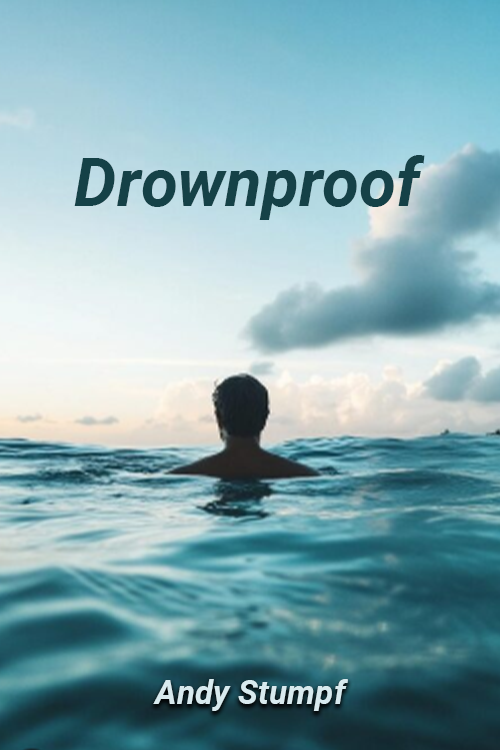


Drownproof
/
Andy Stumpf
About this Author
Andy Stumpf is a retired U.S. Navy SEAL known for his service in high-risk combat operations and military leadership experience. He later became a public speaker and podcast host, focusing on discipline, resilience, and mental toughness. His work often draws on real-life military experiences to discuss accountability, personal growth, and handling adversity.
2026
Biographies & Memoirs
13:26 Min
Conclusion
7 Key Points
Conclusion
Responsibility defines personal choice. Discipline creates steady progress. Small steps shape resilience. Purpose guides daily direction. Hardship reveals true strength. People must accept failure. Support for others matters. Character shows real success. Life requires courage always. True success requires calm, consistent discipline always.
Abstract
In Drownproof by Andy Stumpf, extreme military experience becomes a guide for living with discipline, resilience, and purpose. Through stories from Navy SEAL training, combat deployments, personal injury, loss, and reinvention, the book shows that success is not about talent or toughness alone, but about responsibility, focus, and the ability to keep moving under pressure. Stumpf emphasizes that fear and failure are inevitable, yet growth begins when individuals take ownership of their actions, concentrate on what they can control, and act despite uncertainty. The book argues that true strength is staying adaptable, learning from setbacks, and using hardship not just for survival, but to become someone who can support and elevate others.
Key Points
Summary
Take Responsibility and Learn from Mistakes
Andy Stumpf explains that Navy SEALs are not superhuman. They face the same problems and make the same mistakes as everyone else. His goal is to help others learn from his failures so they can make better choices in their own lives. One of the most important moments in his life happened early in his SEAL career during a training trip to Tucson. After training was canceled, Stumpf and his teammates went out drinking, even though he was underage. One teammate started several fights. Instead of stopping him, Stumpf joined in and even threatened a bouncer with a knife. The police later arrested him, and his future as a SEAL was at risk.
At first, Stumpf tried to make excuses. Then he realized that every decision he made was his own responsibility. He understood that he had failed to act like a leader because he lacked confidence and was afraid to speak up. His commanding officer gave him a second chance but ordered him to cut off his SEAL Trident patch. For six months, he worked to earn it back. Stumpf learned that failure can teach valuable lessons. He believes that people must take ownership of their actions, maintain integrity, and decide what kind of person they want to become.
Live with Purpose and Courage
Jason Stumpf learned the true value of freedom while serving in dangerous places. He saw soldiers risk and lose their lives to protect others. Their enemies wanted to destroy the freedoms that many people enjoy every day. Stumpf believes we honor those sacrifices by living responsibly and making our lives meaningful. In 2017, he started a podcast without a clear plan. He simply wanted to talk with people about their experiences and success. The podcast became very popular, and many listeners wrote to him asking for advice. This showed him that many people lacked mentors and guidance. In 2020, he began answering questions from listeners. The most common question was, "How do I start?" His answer was simple: move. Fear is normal, but staying still leads nowhere.
In combat, standing still can be deadly. In life, it prevents growth. Even a small step in the wrong direction is better than doing nothing, because action creates opportunities. Stumpf also explains that success takes time and hard work. The first step is difficult, but the real challenge is continuing when progress seems slow. Reaching important goals often requires sacrifice and a temporary imbalance in life. He also stresses the importance of saying "no." True friends respect your goals, while others only use your time and energy. Remove those people and focus on what matters most.
Purpose, Change, and Life Reinvention
There is a clear difference between seeking a title and focusing on purpose. Some people focus on recognition and status, while others focus on teamwork, mission, and helping those around them. A purpose-driven mindset values contribution over personal credit. This approach leads to stronger teams and more effective results. A narrow identity based on one goal or career can create problems when life changes. An injury during military service forced a major rethink of identity and direction. It became clear that a job or title should not define a person completely. Life continued through recovery, new roles, and training responsibilities, which helped prepare for future transitions.
After leaving active service, life moved into several different fields. Work included business roles, aviation, and extreme sports. Flying offered travel and experience, but also brought unstable income and long periods away from family. Skydiving became a professional pursuit and provided structure, along with sponsorship and teaching opportunities. Extreme sports like BASE jumping created intense focus and a sense of calm by removing everyday stress. However, the activity carried a serious risk. The death of a close friend during a jump led to a serious reassessment of danger and personal limits. After this event, BASE jumping was no longer continued, showing the importance of re-evaluating risky choices over time.
A chance connection with a media personality led to starting a podcast. This became a stable and successful path, along with public speaking and content creation. It provided financial stability and long-term career direction. Life changes repeatedly when new opportunities are accepted without fear. Staying flexible, learning new skills, and adapting to different situations allows continuous growth. Identity is not fixed by one career or achievement. Instead, progress comes from staying open to change, making thoughtful decisions about risk, and focusing on purpose rather than labels or status.
Focus on Control, Responsibility, and Smart Decision-Making
Freedom has a cost, and it is often paid for by soldiers who risk and lose their lives. The idea is that safety and liberty depend on people who are willing to serve and protect. A constitution alone cannot protect a nation; people are required to defend it. The experience of seeing a fellow soldier in a coffin shows how serious this cost can be and may help people value freedom more. One of the most useful tools described is the concern versus influence exercise. It uses a simple page split into two columns. On the left side, a person writes worries they cannot control. On the right side, they list things they can control, such as behavior, reactions, thoughts, and goals. This helps reduce wasted effort on things outside personal control and improves self-improvement focus.
In a later event in Iceland, a skydiving trip brought together people from different countries under a small leadership group. Safety briefings were limited, and conditions were not well managed. Despite strong winds, jumps continued, which led to unsafe landings outside the planned area. One participant advised stopping further jumps due to safety concerns. When leadership did not change the plan, he and his partner chose to leave the group to reduce risk. People often spend energy worrying about things they cannot control. A better approach is to focus on actions, choices, and personal responsibility. By doing this, individuals can make decisions and avoid situations that depend on bad leadership or uncontrollable events.
Mental Strength and Focus in Navy SEAL Training
Stumpf's experience in Navy SEAL training shows how people succeed or fail mainly through mental strength and how they handle pressure. Many students in BUD/S training quit, not because they lack physical ability, but because they cannot manage stress, uncertainty, and long, difficult days. There are several outcomes in training, including graduating, quitting, medical issues, performance problems, or being removed for rule violations. Students often fail when they think about the total length of training instead of focusing on one small task at a time.
Instructors sometimes increase pressure by making students focus on how long they still have to endure, which can lead some to quit. The training is structured to test how people respond to uncertainty and changing conditions, which reflects real missions. Students who succeed often learn to control their attention by breaking large challenges into small, immediate goals. This approach helped Stumpf in his early life when he worked with heavy physical labor and had to focus on small, repeated actions instead of the total workload. He later used the same method in training and missions, focusing only on the next step, such as the next task, meal, or short time period.
A difficult jump mission in Afghanistan showed how unexpected problems can occur, and how focusing on one immediate action helps survival and decision-making. In that situation, Stumpf dealt with equipment failures, navigation loss, and passenger interference, but stayed focused on a safe landing and communication. Later in life, he also faced personal struggles, including divorce, and used the same strategy of focusing on small steps to get through it. He learned that always refusing to quit is not always the right choice in personal life, and that asking for help can also be a form of strength.
Resilience, Duty, and Learning from Hard Times
Stumpf's SEAL training taught him to never quit, push through discomfort, and put the team and mission first. This built strong discipline, but also led to ignoring stress and physical limits. He learned that success comes from steady effort over time, not talent or luck. He applied this mindset to parenting by teaching his children resilience, responsibility, and independence. He let them face challenges and learn from failure. As they grew up in a digital world, he realized he had less control over their choices and began to doubt how much influence he truly had. He was shot in Iraq in 2005, which caused long-term nerve pain. He relied on medication and alcohol, which affected his health and thinking. He slowly stopped using medication and returned to training despite medical advice, rebuilding his strength. He deployed again and later retired with a full disability rating. He learned to avoid excuses and focus on improvement. In 2023, he faced a severe intestinal blockage that caused extreme pain and required surgery.
Recovery was difficult, but he focused on small daily steps like walking, diet, and sleep, and gradually returned to full activity, including jiu-jitsu. He also learned that suffering alone can be harmful and that asking for help matters. From his podcast audience, he realized many people feel isolated even when support is available. He reflected on his mentor, Dave Hall, who struggled with alcohol and died by suicide in 2020. After reading his journals, Stumpf regretted not checking on him more. This reinforced the importance of speaking up, checking on others, and not assuming people are fine.
What It Really Takes to Succeed and Stay Human
The person first planned to join the military, but was rejected because of high blood pressure caused by stress. After medical testing, it was found that the condition was not permanent, and he was given another chance. This experience changed his thinking about the military, where strict standards are important and service is seen as a privilege. He realized that teamwork and competence matter more than personal desire, and that the mission comes first. The idea of winning comes with a cost, and success requires steady, hard work instead of quick results. Social media can create false comparisons that affect how people view success and self-worth.
Discipline is more important than motivation because it means doing necessary actions even without feeling like it. Small daily actions, like simple tasks, help build consistency and positive habits over time. Failures are part of growth and help people learn to continue after setbacks. Before deployment in 2010, he faced emotional stress due to his mother's returning illness and the fear of loss. This situation affected him deeply during service and made him emotionally distant during later events at home.
After returning, he struggled with emotional connection but later worked to understand and accept his experiences. He believes that true success is not only about achievements but also about maintaining humanity. He encourages starting with small actions each day to build momentum and avoid negative cycles. He also highlights that discipline can be seen as self-respect because it focuses on long-term results over short-term comfort. In the end, he reflects that helping others survive and grow is the most meaningful measure of success. Success should include both achievement and the ability to support others through hardship as well.
Share:
Latest Books
Related Books




Take a moment to rate and review our app. Your insights help us to improve.
